By Gene Guarino
What would you rather live in… a “home” or a warehouse? When it comes to senior housing facilities, there are generally two types: Big Box facilities and Residential Assisted Living Homes.
In general they offer the same type of service, but how they deliver the housing or a “home” experience is very different. The first difference you’ll probably notice is the feel of the facilities. A Big box facility feels like a hotel or an apartment complex. They try really hard to make it “feel” like a home, but it is difficult to get that homey feel in a facility designed for hundreds of people to live there.
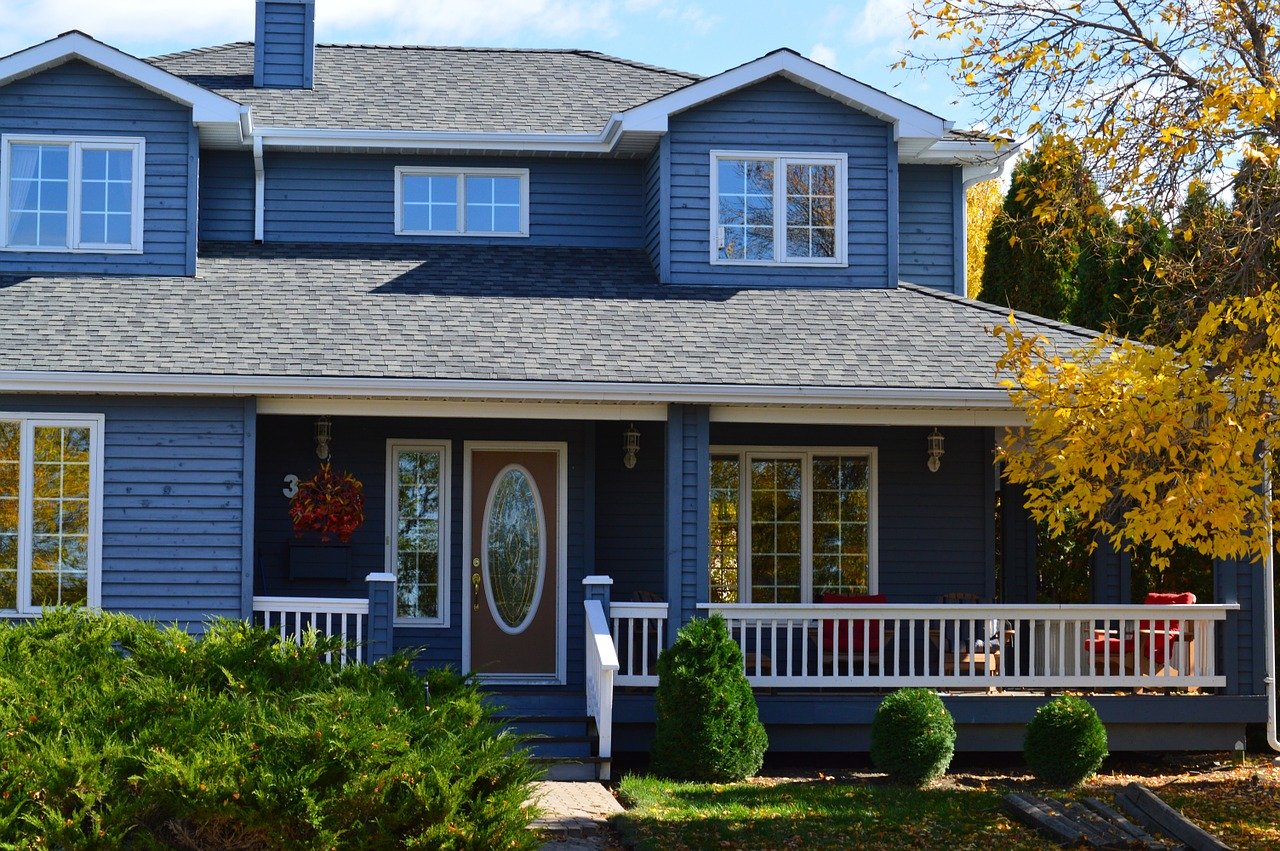
Residential assisted living is done in an actual single family home. It is achieved by converting single-family homes into a cozy place for a a group of seniors to live and receive care.
Another obvious difference is size. Big box facilities are big while residential assisted living homes are small. This difference in size plays a big part in the caregiver to resident ratio. That is the number of direct care staff compared to residents. In a RAL home, an average ratio is 10 residents to 2 caregivers. This is very reasonable, as caregivers can give ample time and attention to the residents. In a big box facility, the ration easily reach 20 or more residents to 1 caregiver. Ratios like this make it difficult for caregivers in bigger facilities to give each resident the full time that they need.

Big box facilities aren’t all bad. One of their advantages is that there are more residents to interact with. These facilities also tend to be able to offer a wider array of activities for the residents. With a facility of 200 seniors, it is easy to find a group of people that want to knit together, watch a movie together, or maybe play bridge together. Big box homes don’t offer all the advantages though. Smaller homes offer more freedom to residents and their families. It is easier to arrange for a day out with your loved one at a small home. It is also much easier to stop by, with no need to sign in or show I.D. before you see mom or dad like in a big box facility.
A major difference is the cost of staying at these facilities. Smaller facilities generally charge a flat rate for residents care and housing. That cost will be determined up front based on the resident’s level of care and the actual room they stay in. Big box facilities charge a monthly rate and bill additional services a la carte style. The room rates will vary, depending on size and privacy and then they charge more based on what the resident’s level of care is.

The location of these facilities are quite different as well. Small homes are generally in residential neighborhoods. In fact, there might be one in your neighborhood and you didn’t even realize it! Big box facilities are large commercial buildings surrounded by a parking lot. These can be located near a neighborhood, but they are generally located in the busier areas or even the business districts of cities. The differences are clear when it comes to big box facilities and residential assisted living homes. One feels institutional, one is a home.
Be sure to subscribe to our iTunes podcast to listen on the go! [CLICK HERE]

Gene Guarino
Founder/CEO
Residential Assisted Living Academy™
Gene is the President, CEO & Founder of RALAcademy.com. Gene has over 30 years experience in real estate investing and business. Today, Gene is focused on just one thing… investing in the mega-trend of senior assisted housing. He has trained thousands of investors/entrepreneurs throughout the United States how to invest in and operate residential assisted living homes. For over 25 years he has been educating people on the strategies of successful investing, business and self-employment. He now specializes in helping others take advantage of this mega-trend opportunity.















 To lessen the risk of any big swing in the market, the answer is to diversify your investment portfolio so all your eggs aren’t in one basket. The problem many individuals faced in 2008 was that most of their 401k or other retirement accounts were tied up in stocks and mutual funds. When the market tanked, so did their accounts. Now imagine if half of those funds were diversified into buy and hold real estate. For many, the outcome could have been vastly different. Here’s why.
 Something else to consider is how you are using the power of inflation to your advantage. Most 401k plans aren’t able to keep up with inflation. With the small returns and high managements fees, unless you are able to invest a lot in those funds, you may not even be able to keep up with the rate of inflation. However, with rental property, you are working with inflation to win in two ways. First, your mortgage payment doesn’t change. Let’s say when you purchased the property it was a $500 per month payment. If the market tanks, it’s still a $500 payment on a fixed rate loan. If the market is great, same payment. When the market is doing well, your asset, if all goes as planned, is increasing in value. You’re actually earning value on the asset while effectively reducing the value of the money you’re paying due to inflation. Second, you will likely be able to increase the rental amount between 1%-5% per year. That’s additional cash flow and value you will be receiving yearly.