|
Getting your Trinity Audio player ready...
|

By Gwen Payne
For investment property owners, especially first-time landlords, every upgrade decision carries a risk: spend too little and the unit stays hard to rent, spend too much and the numbers stop working. The real challenge is separating improvements that look impressive from ROI-focused home improvements that actually drive property value enhancement and stronger tenant demand. With the right rental property upgrades, a real estate investment strategy becomes more predictable and easier to scale. The goal is simple: put money into the property where it pays back.
article continues after advertisement

Quick Summary: Smart Upgrades That Add Value
- Upgrade flooring to refresh interiors quickly and improve perceived quality.
- Add cost-effective storage solutions to increase usability and attract more renters or buyers.
- Improve energy efficiency to lower operating costs and strengthen long-term value.
- Remodel the kitchen strategically to capture strong ROI without overbuilding.
- Boost curb appeal and install smart home features to stand out and justify higher pricing.
Understanding Cost vs. Value Upgrade Priorities

To set a smart baseline.
A practical way to choose upgrades is cost-vs.-value thinking: compare what a project costs with what it adds back in resale or rent appeal. Tools that estimate average ROI percentage help you rank projects before you spend. Then zoom out and include appliance age, likely repairs, and a plan for surprises.
This matters because the “best” upgrade is not always the fanciest one. It is the one that raises value while lowering future headaches and vacancy risk. Setting a repair budget and considering comprehensive home warranty coverage can keep one breakdown from wrecking cash flow.
Picture two choices: new quartz counters or replacing a 12-year-old water heater. Counters may photograph well, but the old heater has a higher failure risk and can trigger emergency spending. With cost-vs.-value thinking, you fund the higher-impact win first, then polish.
Assess → Plan → Schedule → Hire → Finish
A good upgrade plan is only useful if you can run it repeatedly, property after property. This staged workflow turns a property assessment checklist into a clear upgrade project timeline, aligned budget planning for renovations, and a simple contractor selection process.
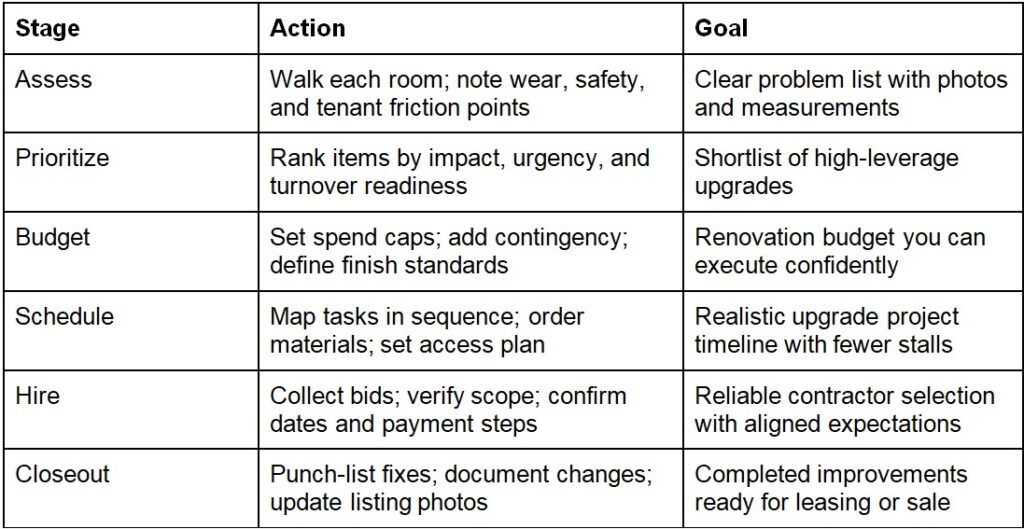
Run the stages in order, then loop back after each unit turnover or annual inspection. Each pass tightens your estimates, shortens downtime, and keeps decisions consistent across projects.
Turn Your Upgrade Plan Into Weekend-Friendly Projects
These steps help you knock out high-impact upgrades in a repeatable way, even if you are new to DIY. The goal is a cleaner look, fewer maintenance calls, and features renters notice quickly.
1. Step 1: Reset the surfaces with durable paint and clean lines
Start by patching holes, sanding rough spots, and washing grime, then use painter’s tape to protect trim and get sharp edges. Choose a scrubbable wall paint in a neutral color and use a satin or semi-gloss finish for trim and doors so scuffs wipe off more easily. This step makes every other upgrade look more “finished,” even before you change anything else.
2. Step 2: Install laminate flooring for a fast, unified look
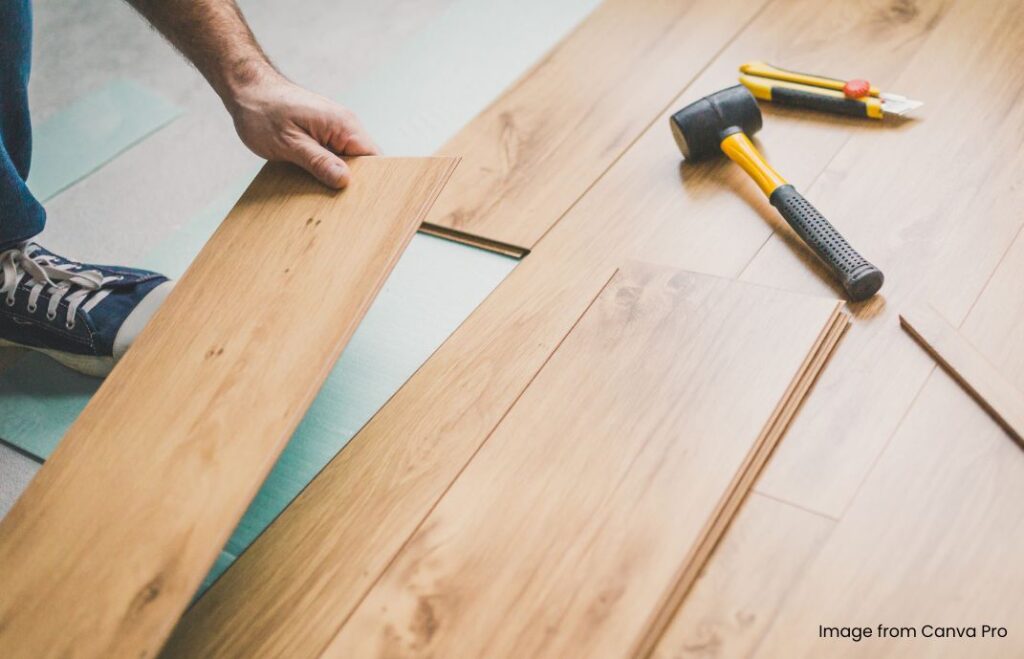
Remove old transition strips, make sure the subfloor is flat and dry, and lay underlayment if your flooring system calls for it. Dry-fit the first row, keep a small expansion gap at the walls using spacers, then click planks together and stagger seams for strength and a natural pattern. Finish by reinstalling baseboards or adding quarter-round to cover gaps and protect edges from mops and vacuums.
3. Step 3: Add closet organizing systems to reduce tenant friction
Measure each closet and pick a simple kit with a shelf plus hanging rod, or a modular system you can expand later. Locate studs, anchor the top rail level, then hang uprights and add shelves at practical heights for everyday storage. A well-planned closet makes smaller bedrooms feel more usable without changing the floor plan.
4. Step 4: Refresh cabinets without a full replacement
Start by tightening hinges, replacing damaged door bumpers, and cleaning everything with a degreaser so paint or adhesive will stick. If you paint, label doors, lightly sand, prime, and apply two thin coats, then add consistent pulls for a matched look. If you reface, swap doors or apply peel-and-stick veneer carefully, trimming edges so it looks intentional, not temporary.
5. Step 5: Upgrade lighting and basic smart devices for everyday wins
Swap in bright, neutral LED bulbs and modern, simple fixtures to make rooms feel cleaner, then add smart switches or a smart thermostat only where they are easy to explain to tenants. The fact that lighting your home accounts for roughly 5% of its total energy usage makes efficient lighting a practical first move, not just a style choice. For safety and convenience, use creating a schedule based on time of day on smart lights so the home looks lived-in during vacancies.
article continues after advertisement

Choose Two Smart Upgrades to Raise Rent and Value
It’s easy to feel stuck between keeping costs low and making a rental look good enough to justify higher rent. The way through is a simple, ROI-first mindset: prioritize tenant appeal enhancement and improvement project benefits that hold up to wear and support long-term investment strategies. Done consistently, these choices help with maximizing rental property ROI now while building steady property value growth over time. Pick upgrades that tenants notice today and that protect value tomorrow. Choose two weekend-friendly projects from your list, schedule them, and complete them before the next showing. That steady follow-through is what creates resilience and income stability in a changing market.
Gwen Payne
Gwen Payne is a stay-at-home mom with an entrepreneurial spirit. Over the years, she has mastered raising her two daughters while side hustling to success through small ventures based on her passions – from dog walking to writing to E- commerce. With Invisiblemoms.com, she hopes to show other stay-at-home parents how they can achieve their business-owning dreams.