|
Getting your Trinity Audio player ready...
|

By Beth Harris
For investment property owners managing older units, competitive listings, and limited cash for renovations, the hardest part is deciding what to upgrade without eroding returns. The core tension is real: increasing rental property appeal often means spending money upfront, while investment property value challenges punish the wrong choices for years. ROI-friendly property improvements require a sharper filter than “looks nice,” because every cost-effective property upgrade has to earn its keep in rent, retention, and resale. The payoff is a clearer way to spot improvements that tenants notice and the market rewards.
article continues after advertisement

Prioritize Upgrades That Tenants Notice (and You Can Justify)
If you’re trying to make your rental look better without sacrificing ROI, the win is picking upgrades that photograph well, live well, and hold up to real tenant wear. Use this menu as a “spend where it shows” checklist, starting with fast, controllable improvements and moving toward higher-impact refreshes.
1. Install durable, continuous flooring in high-traffic zones: Replace mixed, dated surfaces with one tough material through the main living areas to make the home feel larger and newer. For flooring installation options, consider luxury vinyl plank (water-resistant, easy repairs by replacing a plank), mid-grade laminate (budget-friendly but watch moisture), or refinished hardwood (best when the subfloor is already solid). Prioritize entry, living room, and hallways first, where scuffs and photos both matter most.
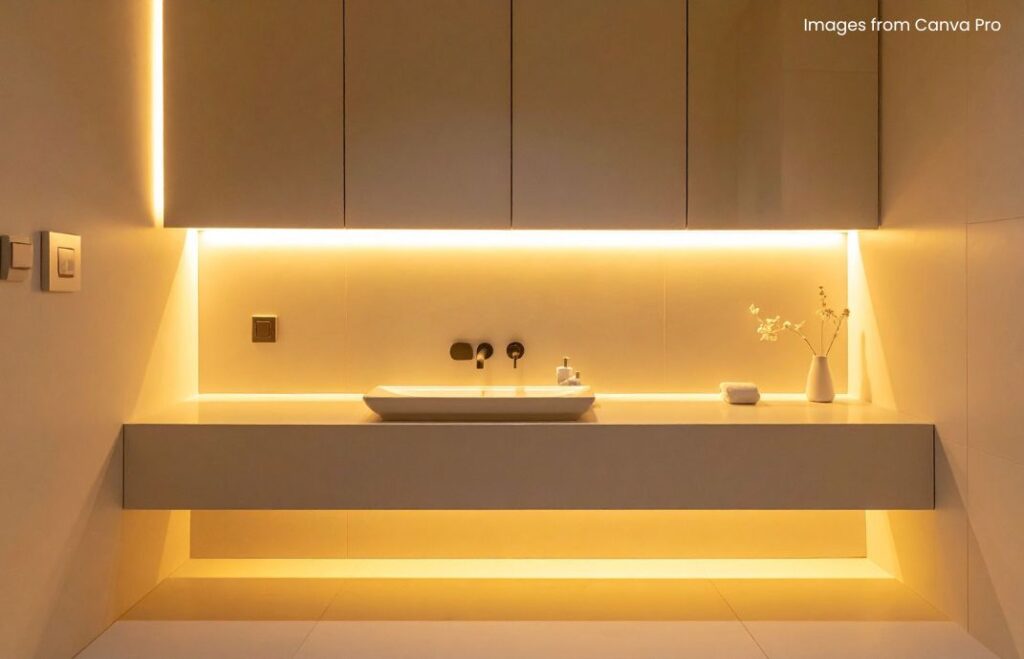
2. Upgrade lighting for brightness and consistency (not just “new fixtures”): Swap mismatched bulbs for one color temperature throughout and add brighter LED bulbs where rooms feel dim. In kitchens and baths, add task lighting, under-cabinet strips or a brighter vanity bar, to reduce shadows and improve the “clean” feel during showings. If budget allows, add a dimmer in living areas and a motion sensor at exterior doors for convenience and security.
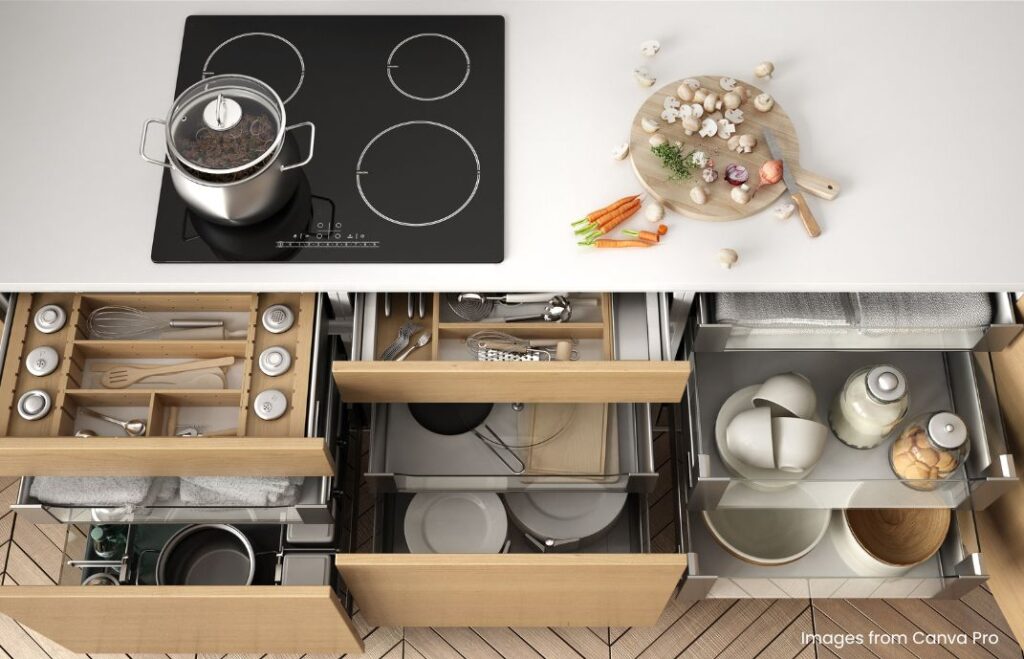
3. Add storage solutions renters can feel on day one: Focus on “missing basics” that cause clutter: coat hooks by the entry, a shelf and rod in every closet, and a medicine cabinet or over-toilet cabinet in small baths. In kitchens, add pull-out trash, a few deep drawers (or drawer inserts), and one pantry-style cabinet if there’s dead wall space. Storage is a quality-of-life upgrade tenants notice immediately, and it reduces wear from overcrowded spaces.
4. Tackle energy efficiency upgrades that lower complaints and turnover: Start with air sealing (weatherstripping doors, sealing attic penetrations), a smart or programmable thermostat, and low-flow fixtures, changes that are inexpensive and quick to verify. If you’re replacing equipment anyway, prioritize HVAC tune-ups, clean dryer venting, and attic insulation where it’s thin. Keep a simple one-page “utility saver” sheet in the unit so tenants use features correctly and don’t blame the property for high bills.
5. Refresh the kitchen with “minor remodel” moves you can price rationally: Instead of gutting, think: paint or refinish cabinets, add modern pulls, install a durable backsplash, and upgrade the sink/faucet to a cohesive finish. If counters are the eyesore, choose one midrange surface that’s easy to clean and hard to chip. A minor kitchen remodel can be a strong value play, especially when you’re fixing the things tenants touch every day.
6. Modernize the bathroom where hygiene and function are obvious: Re-caulk and re-grout, replace yellowed fans, and upgrade the vanity light and mirror for a cleaner look. If the tub/shower is stained but sound, consider refinishing rather than replacing. When you remodel, keep materials simple and replaceable; many reports show a midrange bathroom remodel is projected to bring back 70% of the costs, which supports choosing “durable and neutral” over luxury.

7. Improve landscaping for tenant appeal and easier maintenance: Aim for “neat, not fussy”: edged beds, trimmed shrubs, fresh mulch, and a tidy path to the front door. Replace finicky plants with hardy, drought-tolerant options and add solar path lights for evening showings. If there’s a small patio, define it with gravel or pavers, outdoor usability can justify rent bumps without big interior demolition.
8. Protect your finishes with small, high-ROI durability upgrades: Add doorstops, better bath fans, washable paint in hallways, and quality faucet/shower valves that won’t drip after a year. Use transition strips, corner guards, and kick plates where damage is predictable. This keeps your “after photos” looking good longer and reduces the surprise repairs that can eat the extra rent you worked to earn.
A practical rule: spend first on what tenants see and touch daily, then on what reduces ongoing headaches. When you’re planning upgrades that involve appliances, plumbing fixtures, or HVAC components, it also pays to think through how you’ll handle breakdown risk so the new cash flow isn’t derailed by an expensive repair.
Stabilize Cash Flow After Renovations With Repair-Cost Protection

Once you’ve made tenant-pleasing upgrades, the next threat to your returns is a surprise breakdown that wipes out a month (or more) of cash flow. A home warranty can be a smart investment for a rental property when you’re trying to avoid costly repairs to appliances or major home systems after refreshing finishes and fixtures. Rather than absorbing an unexpected bill when the dishwasher quits or the HVAC fails, you can use home warranties as a layer of protection that helps keep your maintenance budget, and rental income, more predictable. Home warranties are customizable annual service plans that cover repair or replacement of major home systems and appliances, with optional add-ons to help homeowners manage unexpected repair costs due to normal wear and tear.
From there, the key is weighing the likelihood of breakdowns against what you’ve set aside for maintenance so you can decide whether this kind of coverage pencils out before you tackle timing, costs, and risk planning in more detail.
article continues after advertisement
Rental Upgrade Questions Landlords Ask Most
Q: What upgrades usually give the best cost versus value for rentals?
A: Start with durability and daily-use improvements like lighting, flooring that holds up to traffic, and simple kitchen and bath refreshes. Prioritize anything that reduces complaints, speeds turnover, or lowers operating costs. Before spending big, estimate payback using expected rent lift plus fewer vacancy days.
Q: How can I phase renovations between tenants without losing a month of rent?
A: Batch work into a tight “turn window” by lining up contractors before move-out and ordering materials early. Do the messy, high-impact jobs first, then schedule punch-list items after the new lease starts only if they won’t disrupt living. Offering a modest rent credit can be cheaper than an extended vacancy.
Q: What actually drives tenant satisfaction more than fancy finishes?
A: Fast, reliable service often matters more than premium materials. Research comparing physical attributes with service delivery suggests responsiveness can outweigh appearances, so set clear repair timelines and communication habits.
Q: How do I keep upgrades from getting erased by surprise repairs?
A: Build a maintenance calendar and reserve fund, then inspect key systems seasonally. Simple routines that preserve property value reduce costly emergencies and protect your new finishes.
Q: When should I delay an upgrade instead of doing it now?
A: Delay when you cannot recover the cost through rent, retention, or reduced operating risk within a reasonable period. If the current item is safe and functional, put the money toward higher-priority fixes and plan the upgrade for the next turnover.
Turn Smart Upgrades Into Higher Rent and Stronger ROI

When budgets are tight and vacancies are expensive, it’s easy to overspend on the wrong improvements, or postpone updates until returns slip. The better path is the research-backed mindset covered here: treat upgrades as a targeted investment property enhancement summary, prioritize tenant-facing value, and apply improvement strategies that match your renter profile and payback window. Done well, increasing rental income potential pairs with fewer headaches, stronger leasing demand, and maximizing property ROI while landlord confidence building grows with each measured win. The best upgrades are the ones your tenants notice and your numbers confirm. Choose one to three projects with a one-weekend-to-one-month scope, set a firm budget, and schedule the work. That discipline builds a more resilient asset that performs through market shifts.
Beth Harris
As the founder of businesstipscenter.com, Beth Harris knows a thing or two about making smart business decisions. She founded her company with the goal of providing entrepreneurs with an all-access platform full of business resources and tips. Beth understands that every day brings new opportunities to make the best decisions possible for your business. That’s why she’s dedicated to making it happen.